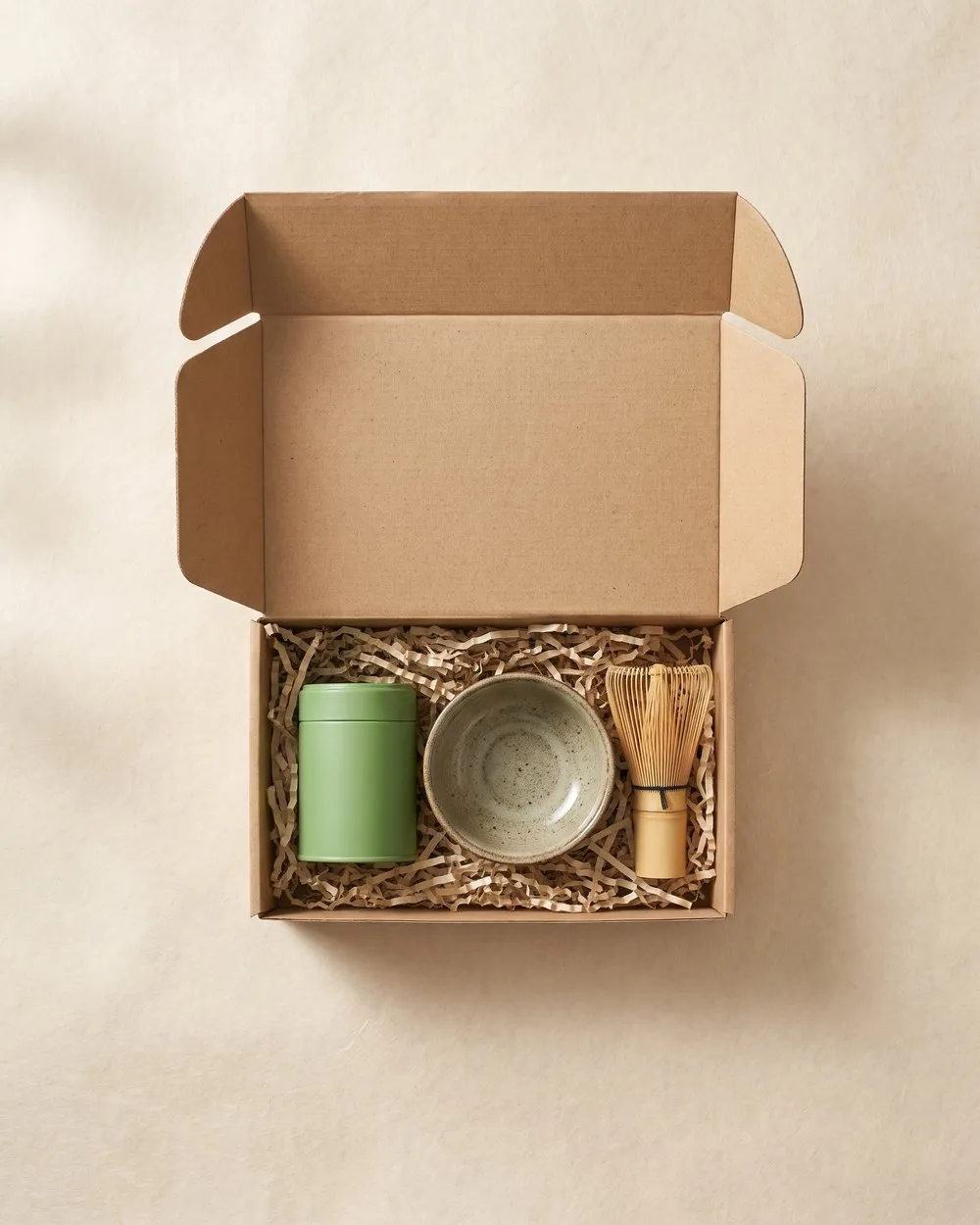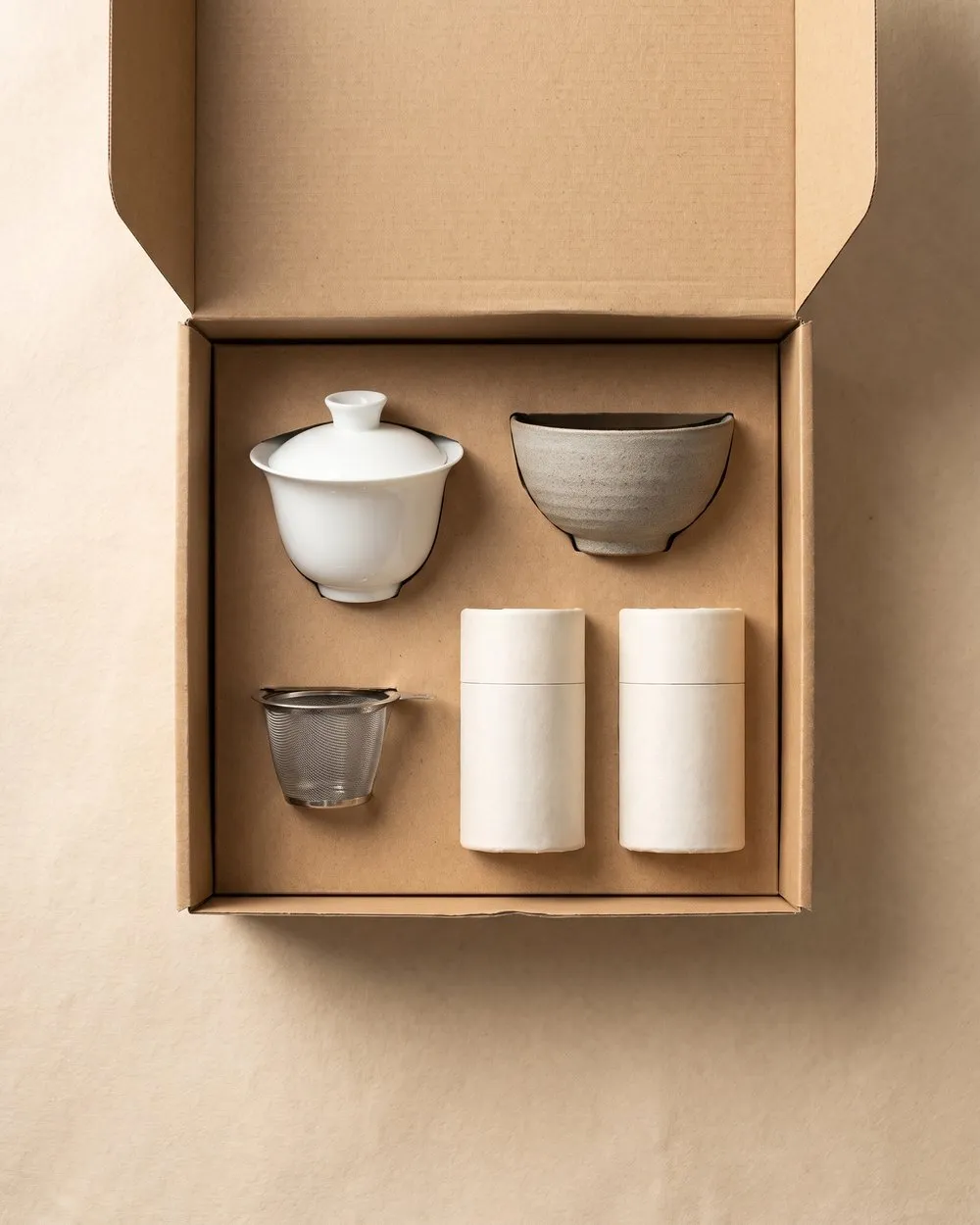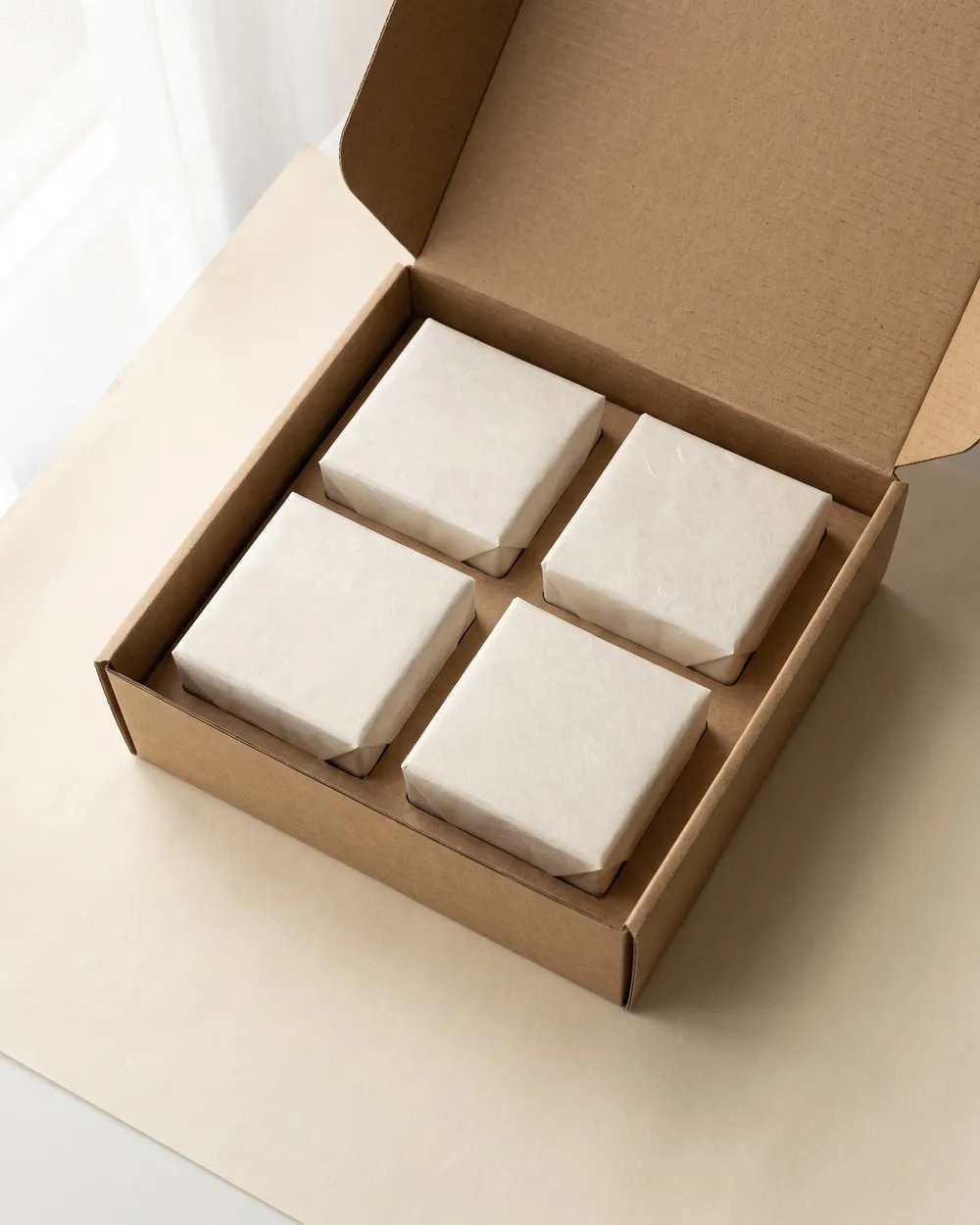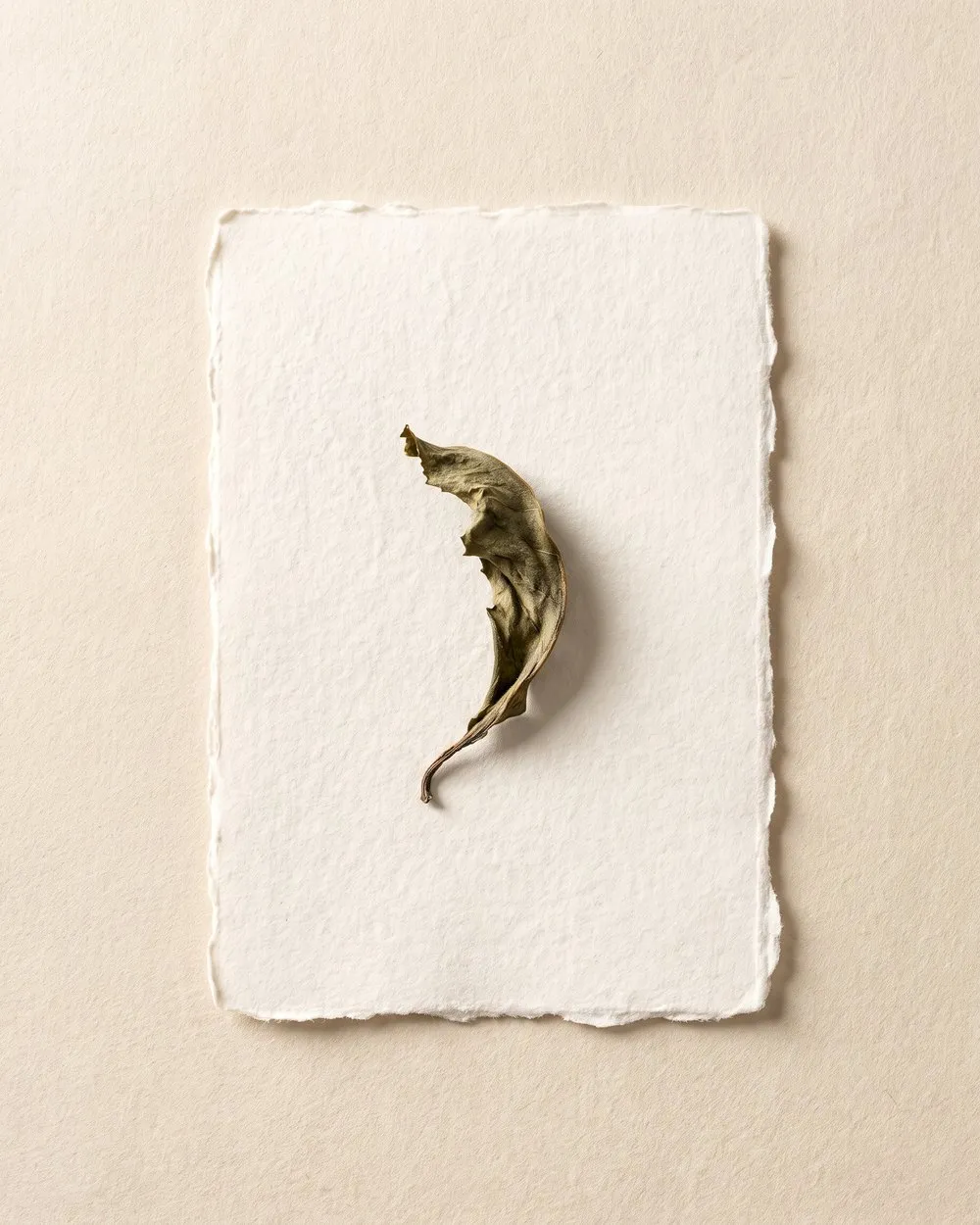
The first flushes are in, and the packing room smells of them. Spring is the busiest few weeks of our year: the teas come in one garden at a time, and we cup every lot at the counter before we decide whether to list it.
What a spring harvest means
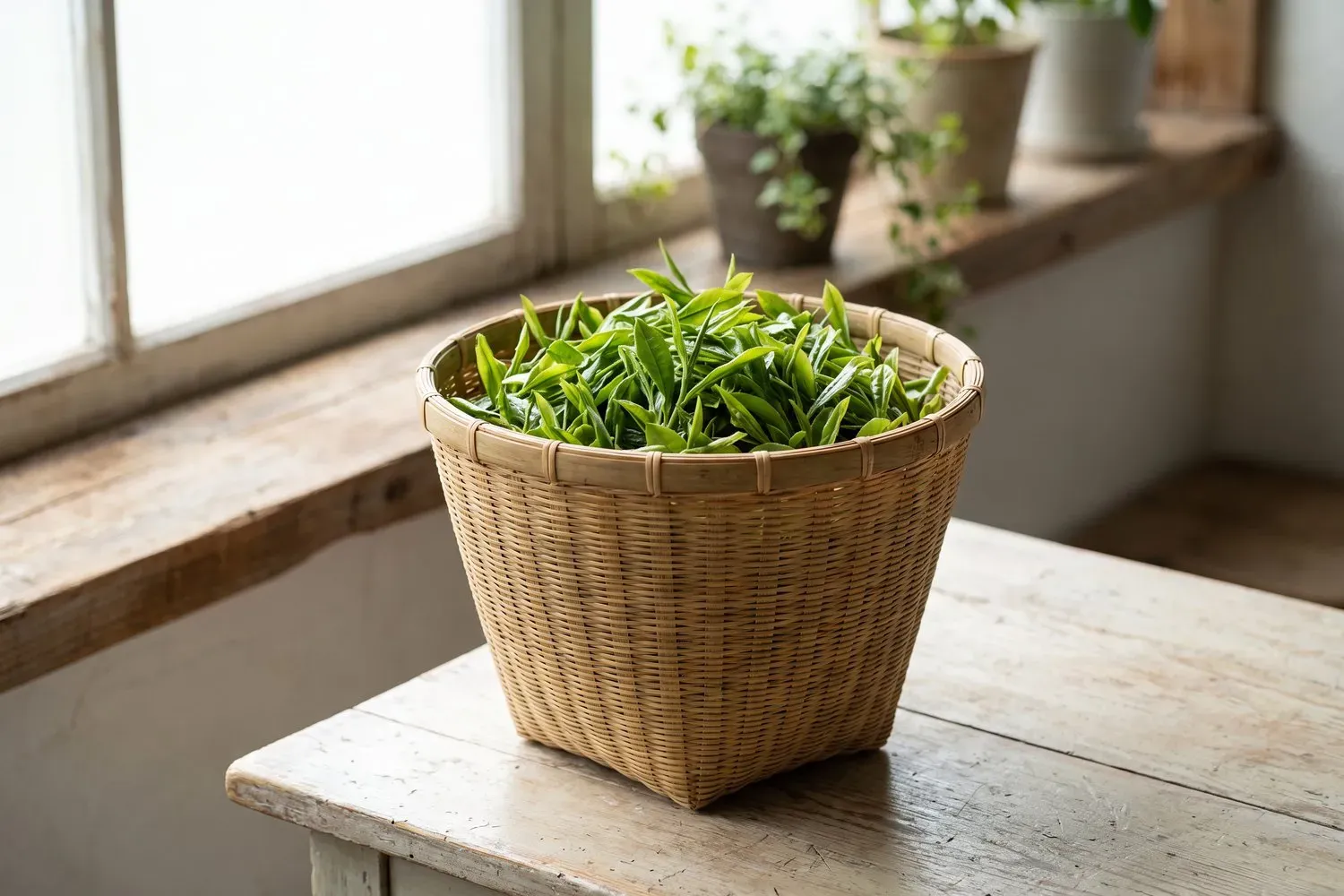
Tea is picked in flushes, the new shoots that appear after a period of rest. In Japan the first flush comes in late April and early May; in Darjeeling it arrives in March. What the leaf tastes of depends on the weeks before it was picked: how much sun, how much rain, and how cold the nights were.
We buy small lots, often only a few kilos, so we can follow a garden from year to year and notice the differences. A spring that runs cool and slow usually gives less leaf but a finer cup.
The gardens this year
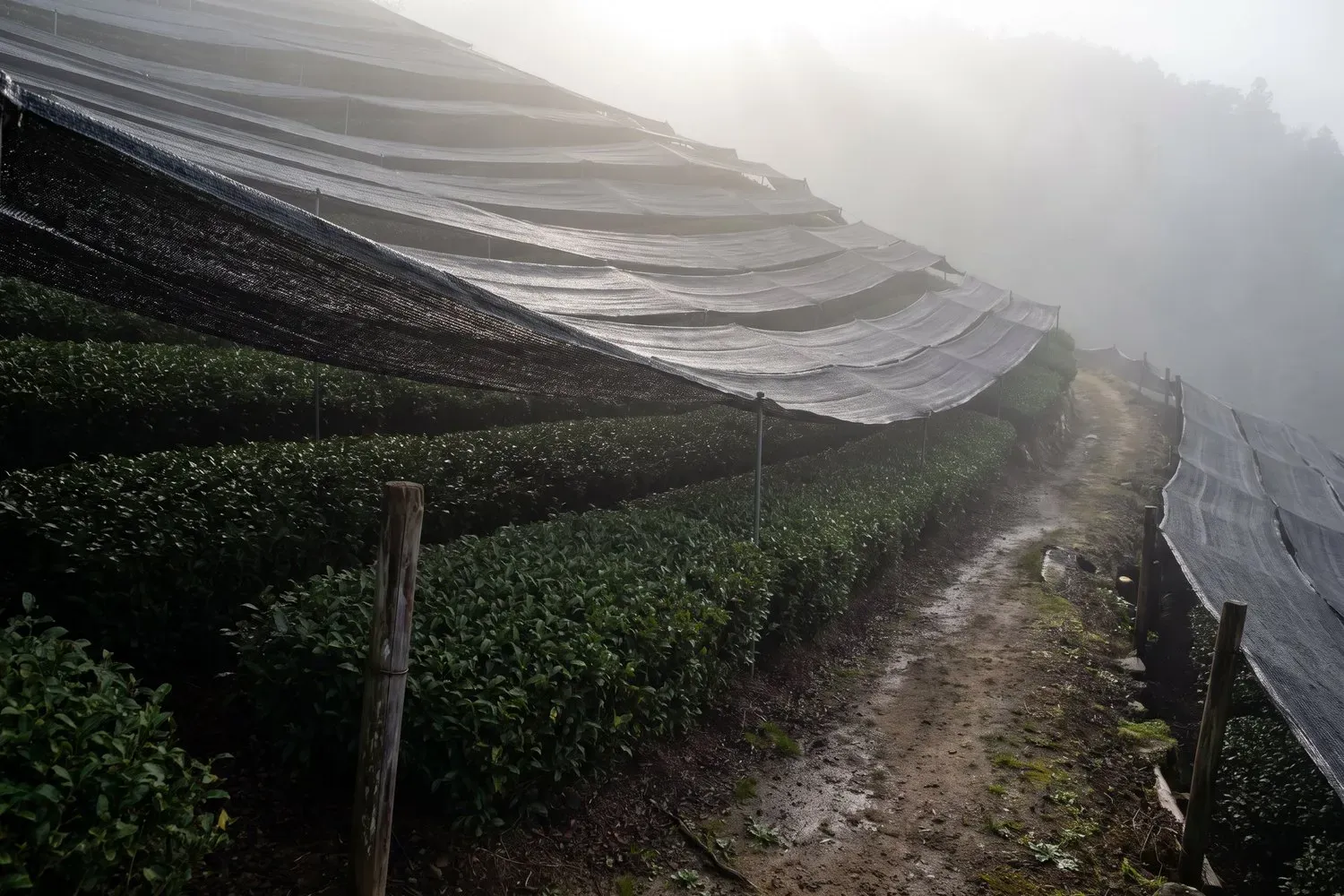
At the Hoshino family garden in Yame, Kenji and Aya Hoshino shaded their gyokuro for three weeks before picking. The leaf came in deep green and sweet, with the savoury depth we look for. Their kabuse sencha is soft and grassy, and both are now on the shelves.
At Ali Shan, Lin Wen-hui took a high mountain oolong at 1,400 m. Cool nights kept the leaf tender, and the cup is floral and creamy, with the long finish that carries through five infusions. It is one of our best sellers for good reason.
In Darjeeling, the Mirik Valley Growers' Co-operative brought in a bright first flush: muscat grape and green apple, picked in the last week of March. It is a tea to drink without milk, while the weather is still cool.
At the Kaneda tea works in Uji, the spring leaf went to matcha and to hojicha. The matcha was stone ground in small batches and is bright and sweet; the hojicha was roasted in autumn, so it is still to come and we will cup it when it lands.
From the Zhou family garden in Fuding came silver needle, sun withered to a pale, honeyed cup, and the first pluck of white peony. Both are delicate and reward a gentle hand with the water.
How we date a caddy
Every tea we sell carries its harvest date on the caddy and in its brew guide. We do this because tea, like most dried leaf, fades with time and air. A spring tea drunk in spring tastes of the season it came from.
- Store tea sealed, cool and away from light.
- Buy little and often rather than a large tin you cannot finish.
- Keep the caddy out of the sun and away from the kettle.
- Use a 100 g pouch to refill a 50 g caddy rather than opening both at once.
- Note the harvest date on the pack and drink within about a year.
What is next
Summer oolongs follow in June and July, and we will cup them as they land. The roasted Taiwanese oolongs, in particular, tend to be better after a few weeks of rest, so we hold them back until they have settled.
If you would like first word on each new harvest, the harvest letters go out a few times a year, with tasting notes and how we brew the cup at the counter.