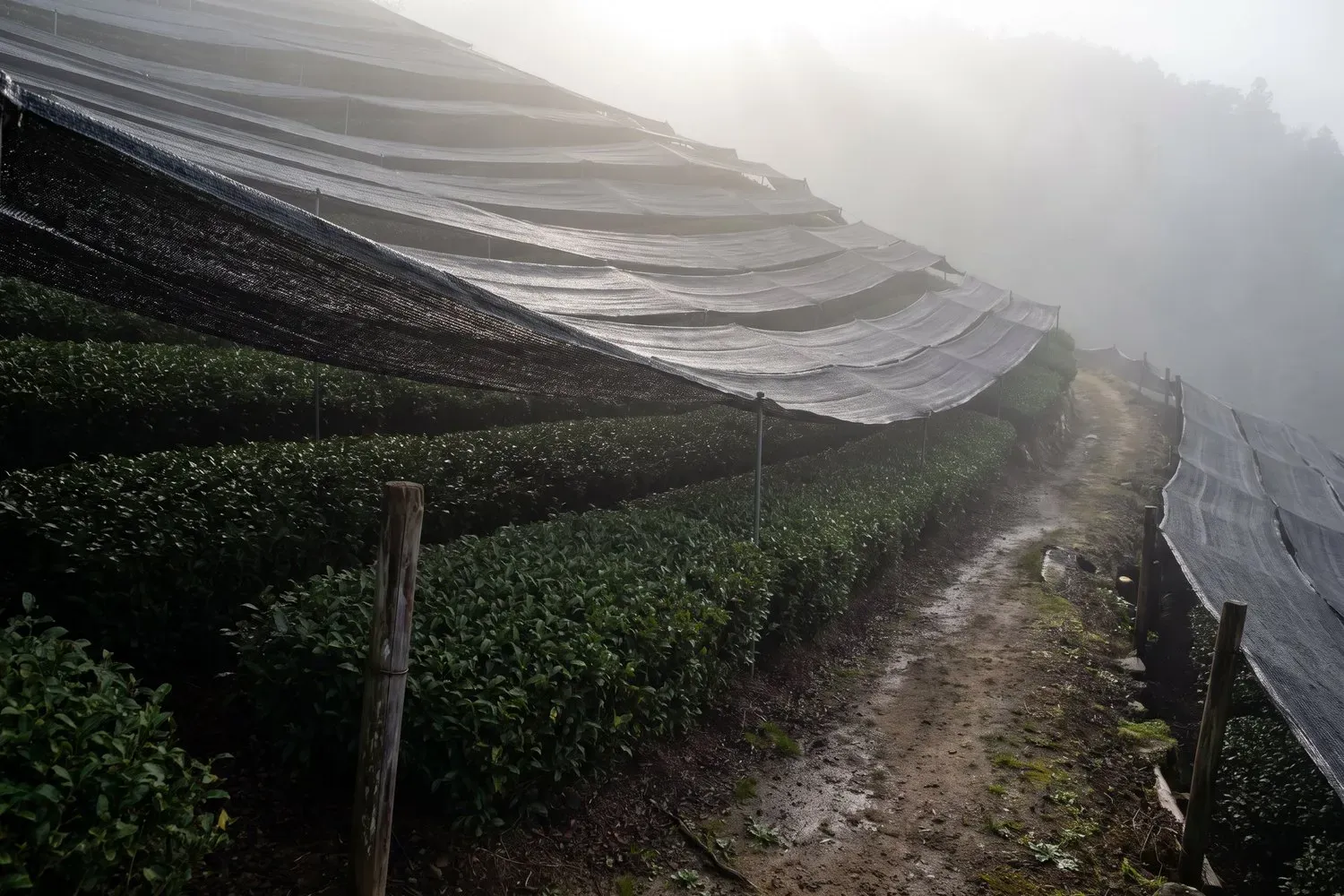
Kenji Hoshino's grandfather planted the first rows of tea at Yame in Fukuoka, on a slope that faces the morning sun and catches the mist that comes up from the valley. Three generations later, the family still grows gyokuro and kabuse sencha in the same ground.
Why they shade the leaf
Gyokuro is shaded for about three weeks before it is picked. Screens are drawn over the rows, and the leaf, kept from direct light, makes more of the compounds that give it sweetness and savoury depth. It is slow, deliberate work, and the timing has to be right.
Kenji and his wife Aya watch the shade and the weather together. Shade for too long and the leaf sulks; too little and it never develops the character they are after. It is a judgement made afresh each spring.
Picking and finishing
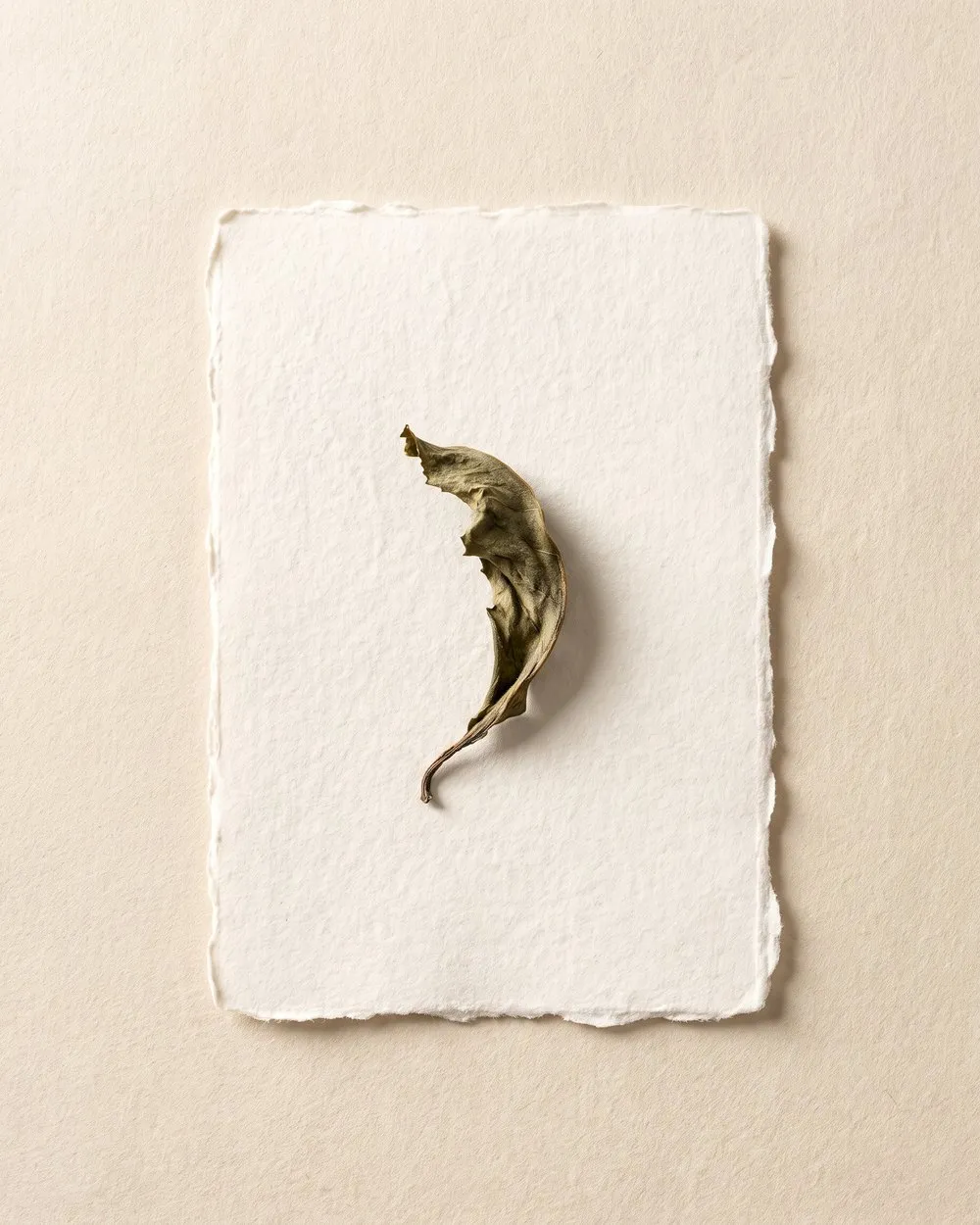
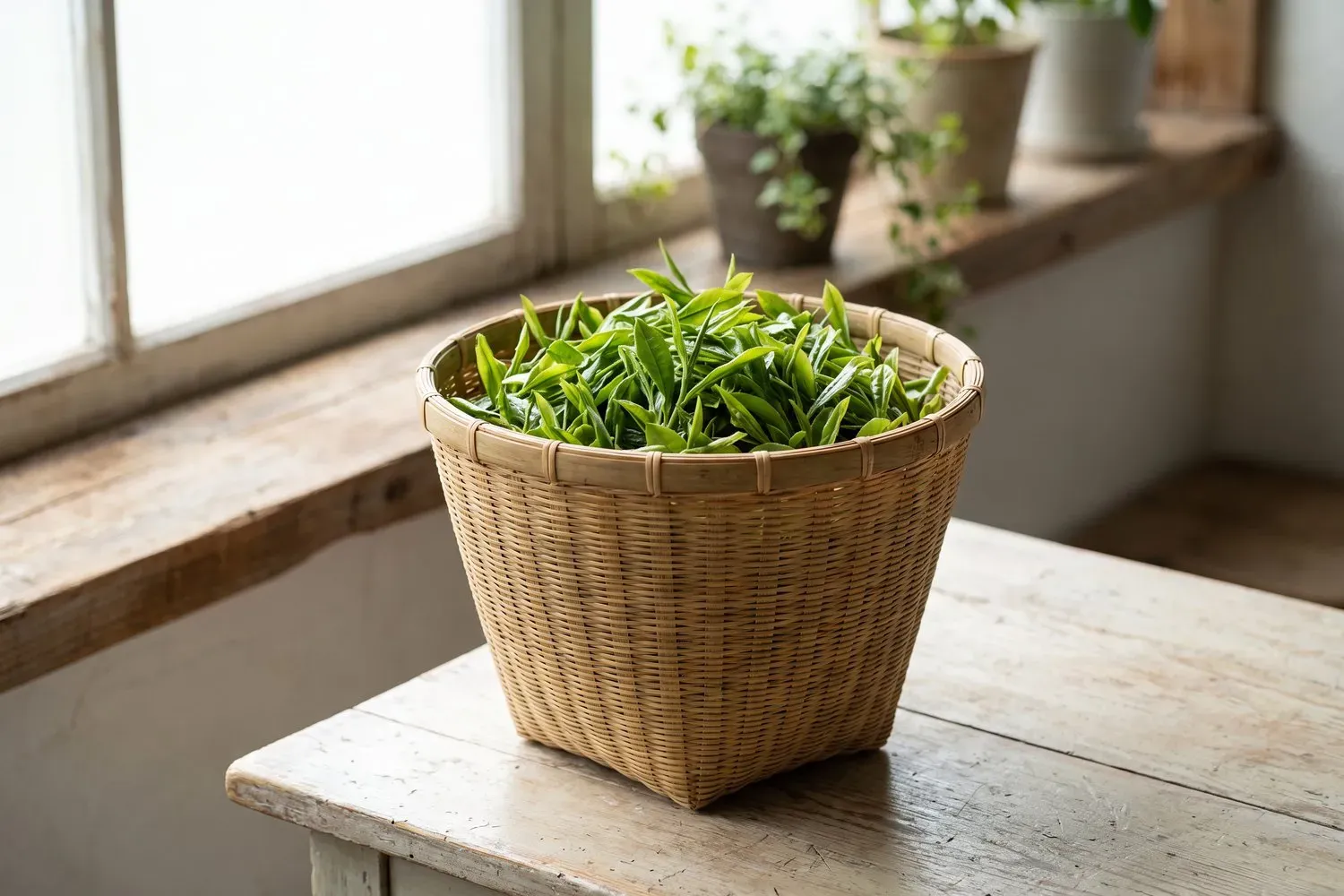
The best leaf is picked by hand, only the new shoots, in the cool of the morning. It is then steamed, rolled and dried the same day. The Hoshinos finish their gyokuro gently, so the leaf stays whole and the cup stays clear.
What arrives in London is a small lot, usually only a few kilos, packed into caddies and dated by harvest. We buy the whole lot and taste it before it goes on the shelf, which is the only way to know a garden's year from its last.
- Shade the leaf for about three weeks before picking.
- Pick only the new shoots, by hand, in the morning.
- Steam, roll and dry on the day of picking.
- Finish gently so the leaf stays whole.
- Pack small and date every caddy.
How to brew their gyokuro
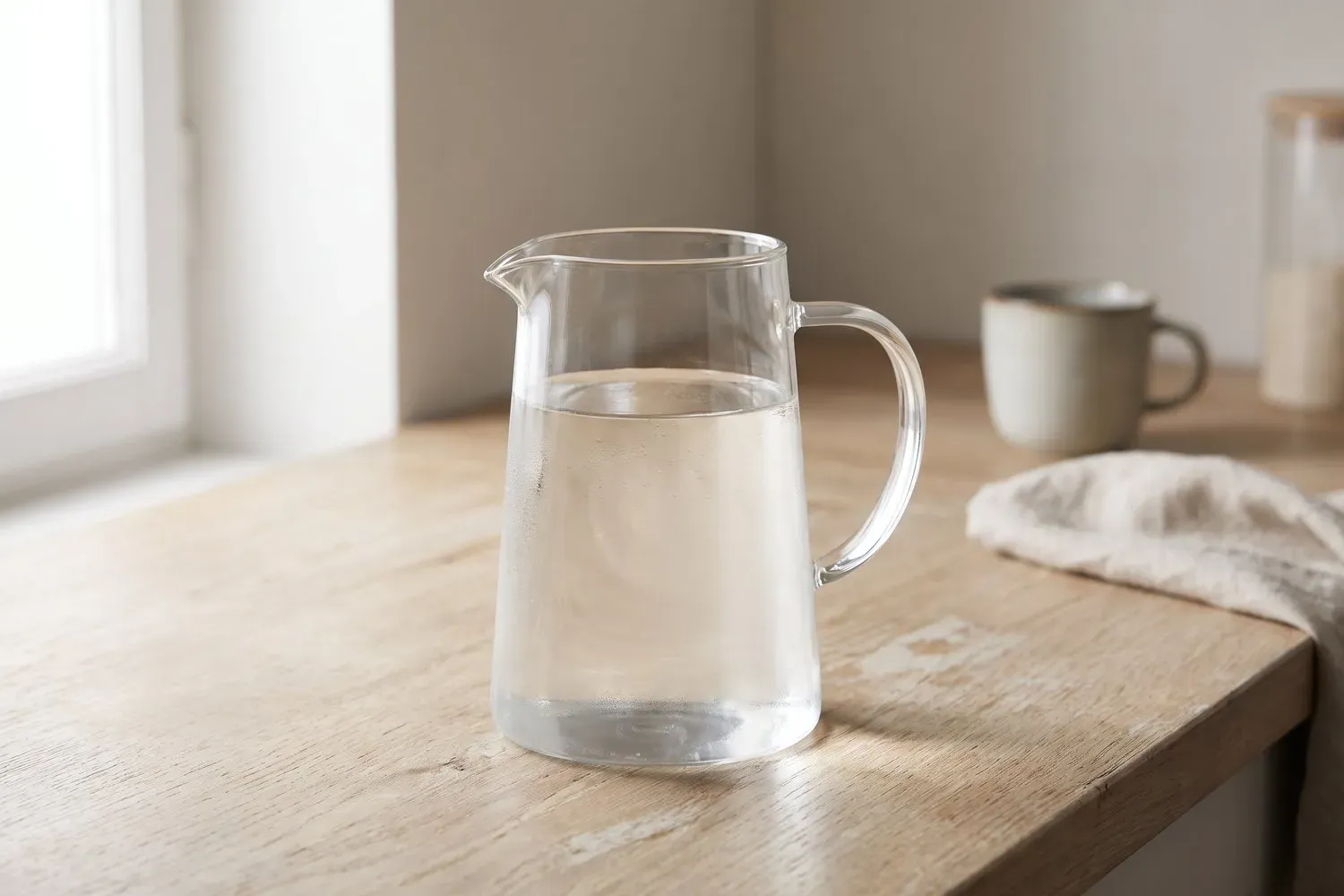
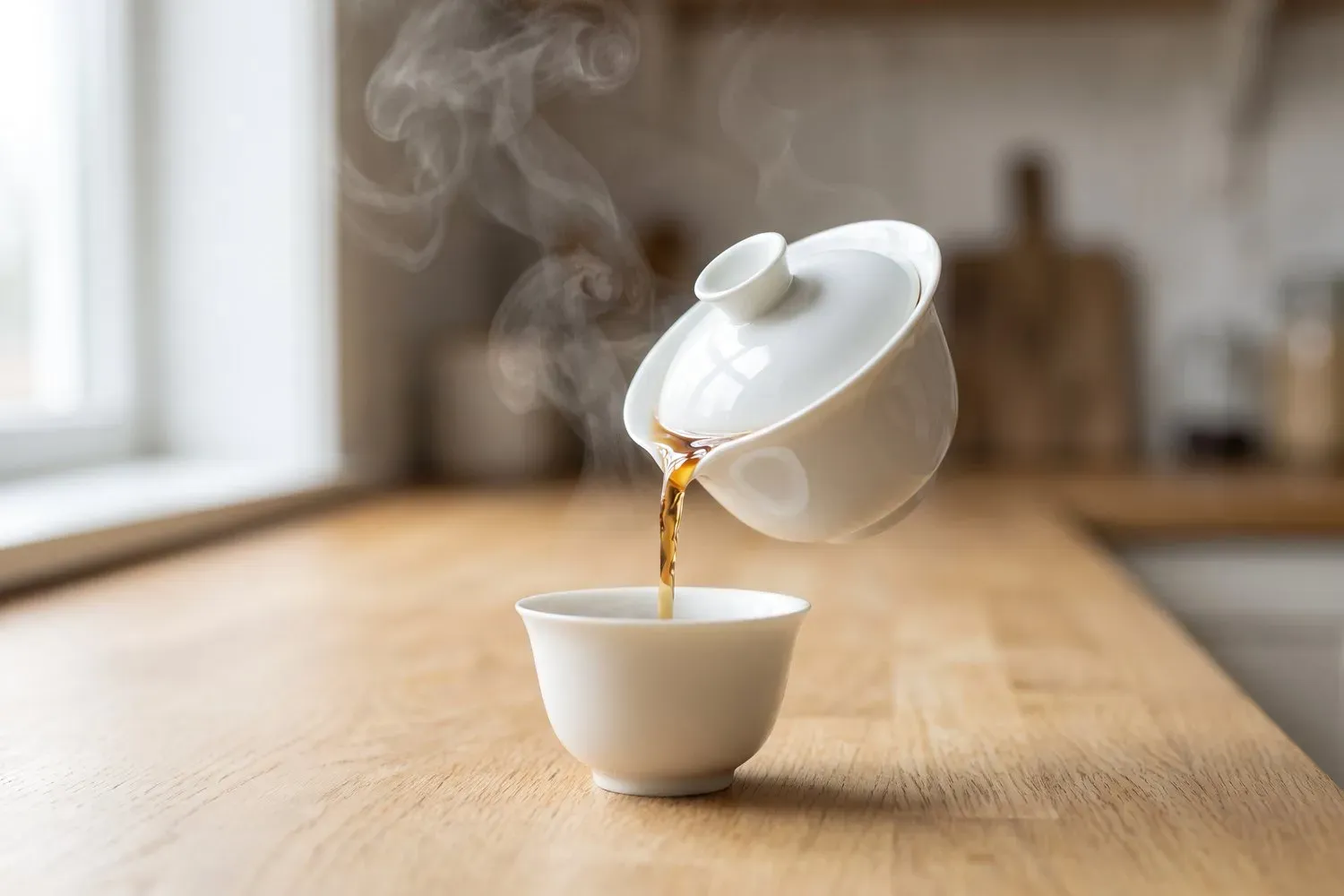
Brew it cooler than most green teas: 55°C for two minutes, with a generous 5 g of leaf. The cup is a sweet, savoury broth rather than a grassy green tea, and it rewards a small cup and a little patience. It is one of the teas we are proudest to sell.
Next time you drink it, the harvest date on the caddy will tell you which spring it came from. Behind that date is a family, a slope and three weeks of shade.
The valley
Yame is a slow place. The valley floor grows rice, the slopes grow tea, and the mist that settles overnight keeps the leaf soft. Kenji says the land has never been hurried, and that is part of why the tea tastes the way it does.
Their kabuse sencha, shaded for a shorter time, is the everyday cup of the household: grassy, sweet and easy to brew. The gyokuro is kept for slower mornings, when there is time to brew it cool and drink it in small cups.
If you ever visit, the family will brew you a cup the way they drink it at home: cool, in small bowls, with time to let the leaf open. It is nothing like the way most of us brew green tea, and it is worth copying. A little leaf, water well below the boil, and patience.