Tea is mostly water, so it follows that the water matters. You can own the finest leaf in the shop and still brew a dull, flat cup. More often than not, the water is the reason.
What is in your water
Two things count: the minerals and the air. Water that is high in calcium and magnesium, which is most of what comes out of the tap in London and the south east, makes tea taste dull and can leave a scum on the surface. It also holds the leaf back from giving up its flavour.
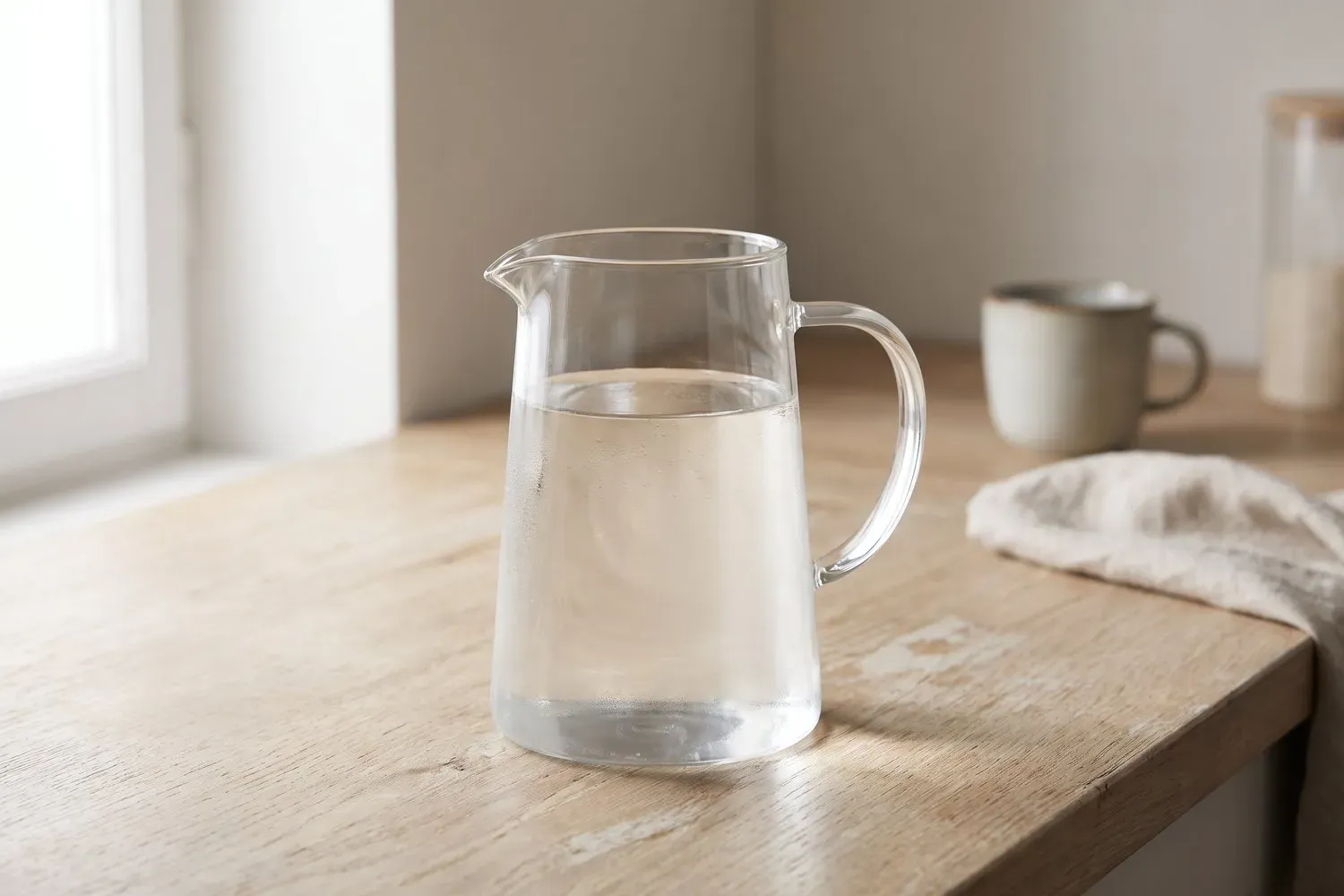
Soft water is better. If your water is hard, a simple filter jug makes a real difference, and it is one of the cheapest improvements you can make to your tea.
Do not overboil
Boiling drives the air out of water, and water that has been boiled for a while tastes flat. It is also why a twice boiled kettle makes a tired cup. Bring the water to the boil once, pour it while it is lively, and top up the kettle rather than boiling the same water again.
Getting the temperature right
Different teas want different water. Green tea and white tea are best at 80°C or below; oolong at 90 to 95°C; black tea and herbal infusions at a full boil. A variable temperature kettle takes the guesswork out of it, but you do not need one: boiled water left to stand for about three minutes settles to roughly 80°C.
Warm the pot first, too. A cold pot pulls the heat out of the first pour, and the tea never steeps properly.
- Filter hard water before it reaches the kettle.
- Boil once, do not reboil the same water.
- Green and white tea: 80°C or below.
- Oolong: 90 to 95°C.
- Black tea and herbal: a full boil.
- Warm the pot before the leaf goes in.
The same leaf, two cups
Brew the same tea with hard, overboiled water and then with soft water at the right temperature, and the difference is not subtle. One is flat and slightly metallic; the other is sweet and clear. It is the easiest experiment in tea, and the one most worth doing.
Bottled or filtered
If you are not ready to fit a filter, a supermarket bottle of soft water is a cheap way to test the idea. Brew the same tea twice, once with your tap water and once with the bottle, and taste them side by side. We have never known anyone to prefer the tap.
Filtered tap water is the sensible everyday answer. It is cheaper than bottled, gentler on the kettle, and it keeps the minerals low enough for tea without stripping it of everything.
One more habit worth forming: taste the water on its own before you brew. If it tastes of chlorine, or of nothing much, the tea will taste the same way. A jug filter kept in the fridge, filled and poured, takes a few seconds and changes every cup you make that day, from the first pot in the morning to the last one at night.