Origin
The gardens
Six of the fourteen gardens we buy from, and what each one does best.
Origin
Six of the fourteen gardens we buy from, and what each one does best.
We use cookies to improve your experience, analyse traffic, and personalise content. You can accept all, reject non-essential, or manage your preferences. Cookie policy
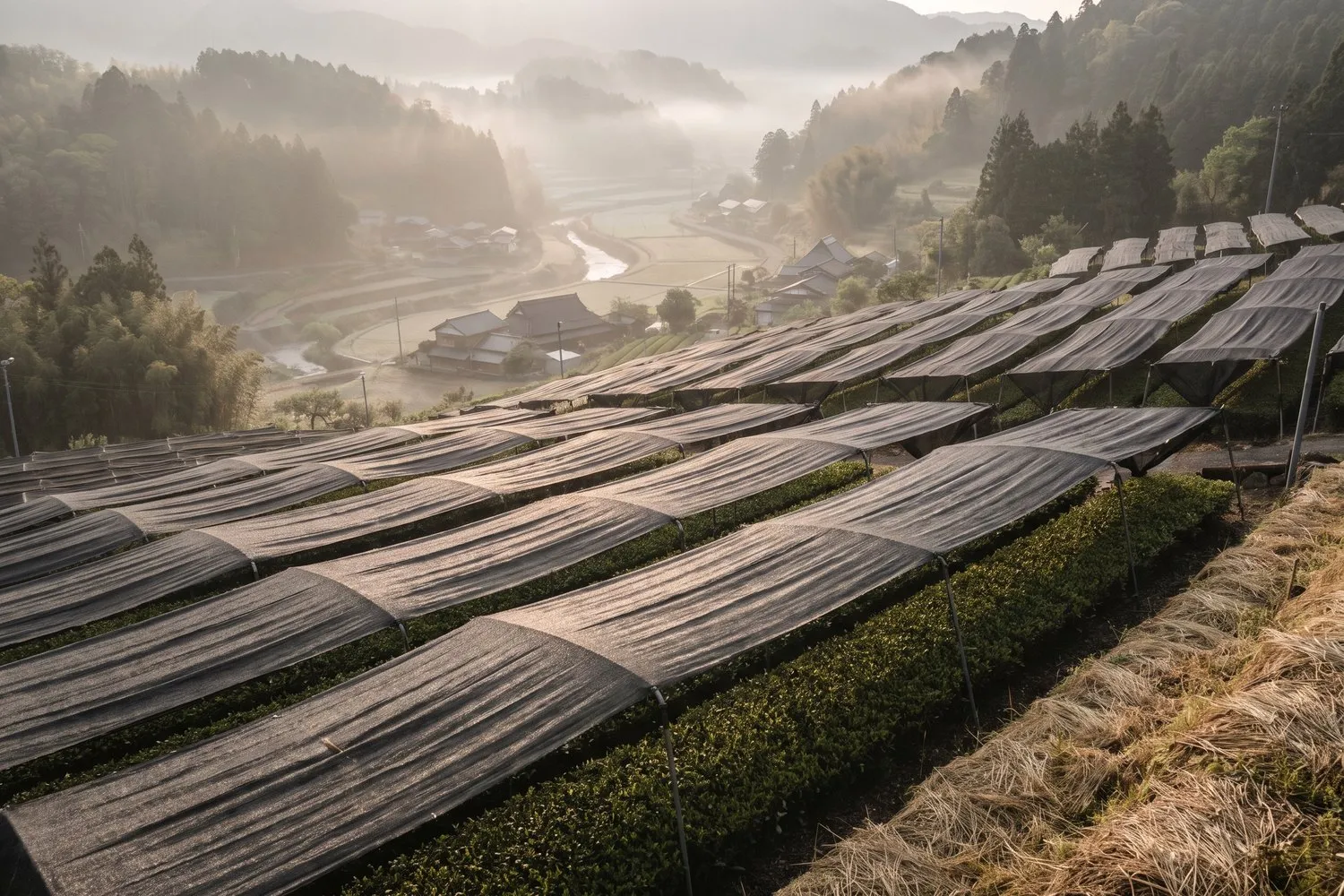
Yame, Fukuoka, Japan
Shade is patience. Three weeks under the cloth, and the leaf turns sweet.
The Hoshinos grow gyokuro and kabuse sencha on a slope that faces the morning sun and catches the mist off the valley. Both teas are shaded before picking, which is what gives them their sweetness and depth.
Kenji and Aya pick only the new shoots, by hand, in the cool of the morning, and finish the leaf gently so it stays whole. We buy their gyokuro and their kabuse sencha each spring.
Altitude
About 180 m
Growers
Kenji and Aya Hoshino
Harvest season
Late April to May
What we buy
Yame Gyokuro, Kabuse Sencha
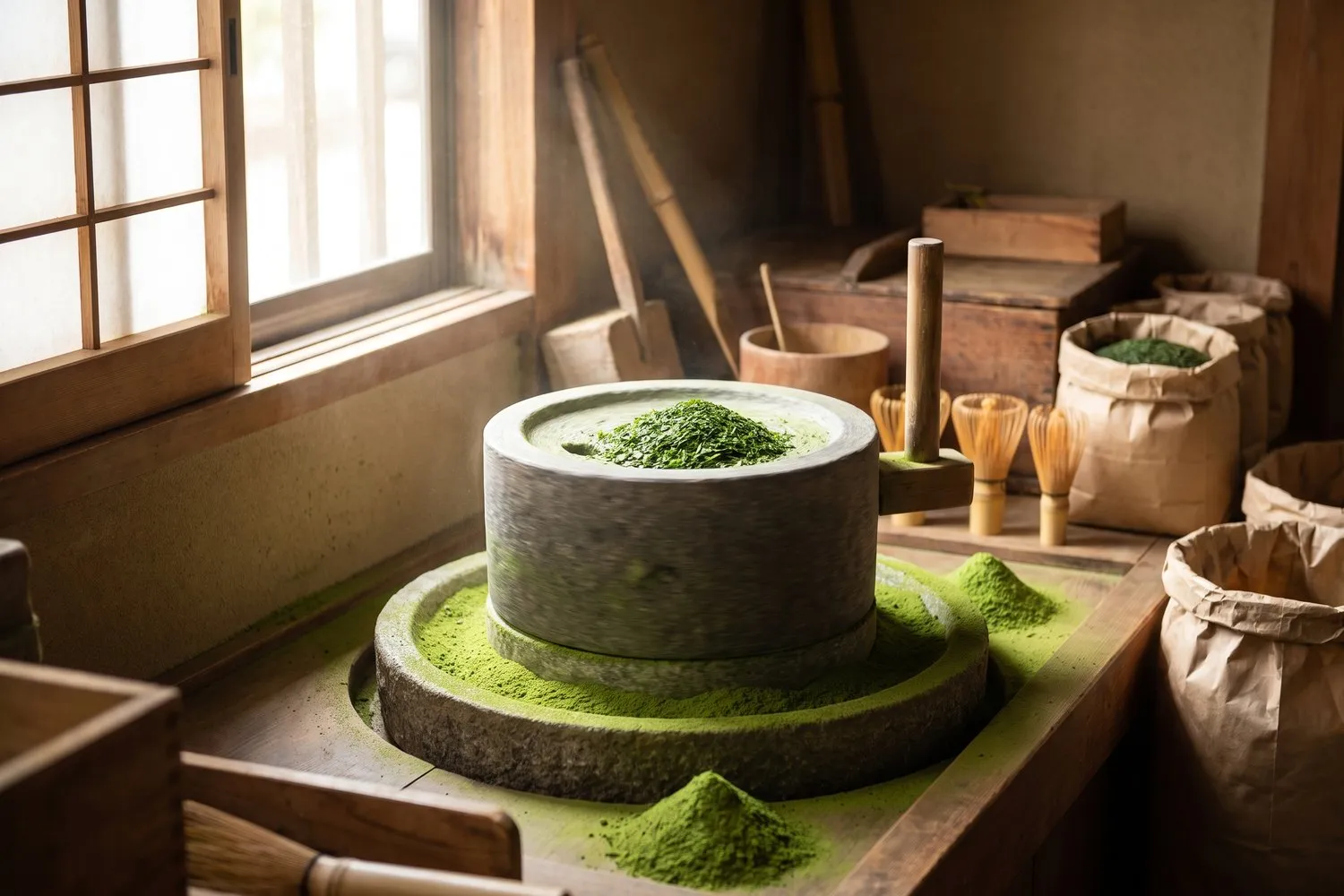
Uji, Kyoto, Japan
We grind in the morning and roast in the afternoon. The leaf decides the order.
Uji is the home of matcha, and the Kaneda works has ground and roasted tea here for two generations. The tencha is stone ground slowly, in small batches, so the powder stays bright and sweet.
The same leaf, roasted rather than ground, becomes their hojicha: warm, nutty and low in bitterness. We buy both, and we cup each batch when it lands.
Altitude
About 120 m
Growers
The Kaneda family
Harvest season
May, roasted in autumn
What we buy
Ceremonial Matcha, Kyoto Hojicha
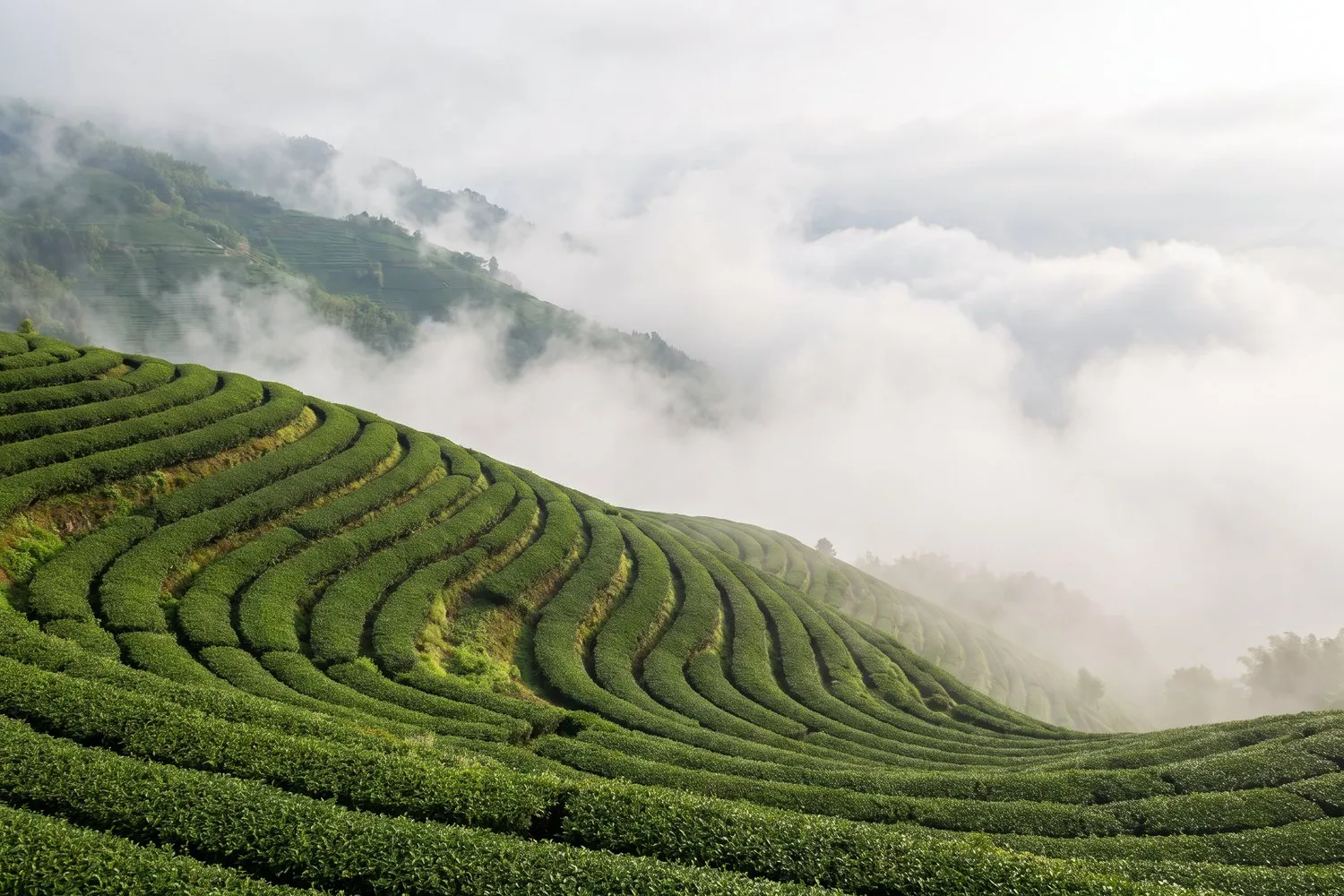
Ali Shan, Taiwan
Up here the clouds do half the work.
Lin Wen-hui farms high mountain oolong at 1,400 m, where cool nights and drifting cloud keep the leaf growing slowly and tenderly. The tea is lightly oxidised and rolled into tight green pearls.
It brews a floral, creamy cup that keeps going for five infusions or more. We buy a small lot each spring and sell it as our Ali Shan High Mountain Oolong.
Altitude
1,400 m
Growers
Lin Wen-hui
Harvest season
Spring, late April
What we buy
Ali Shan High Mountain Oolong
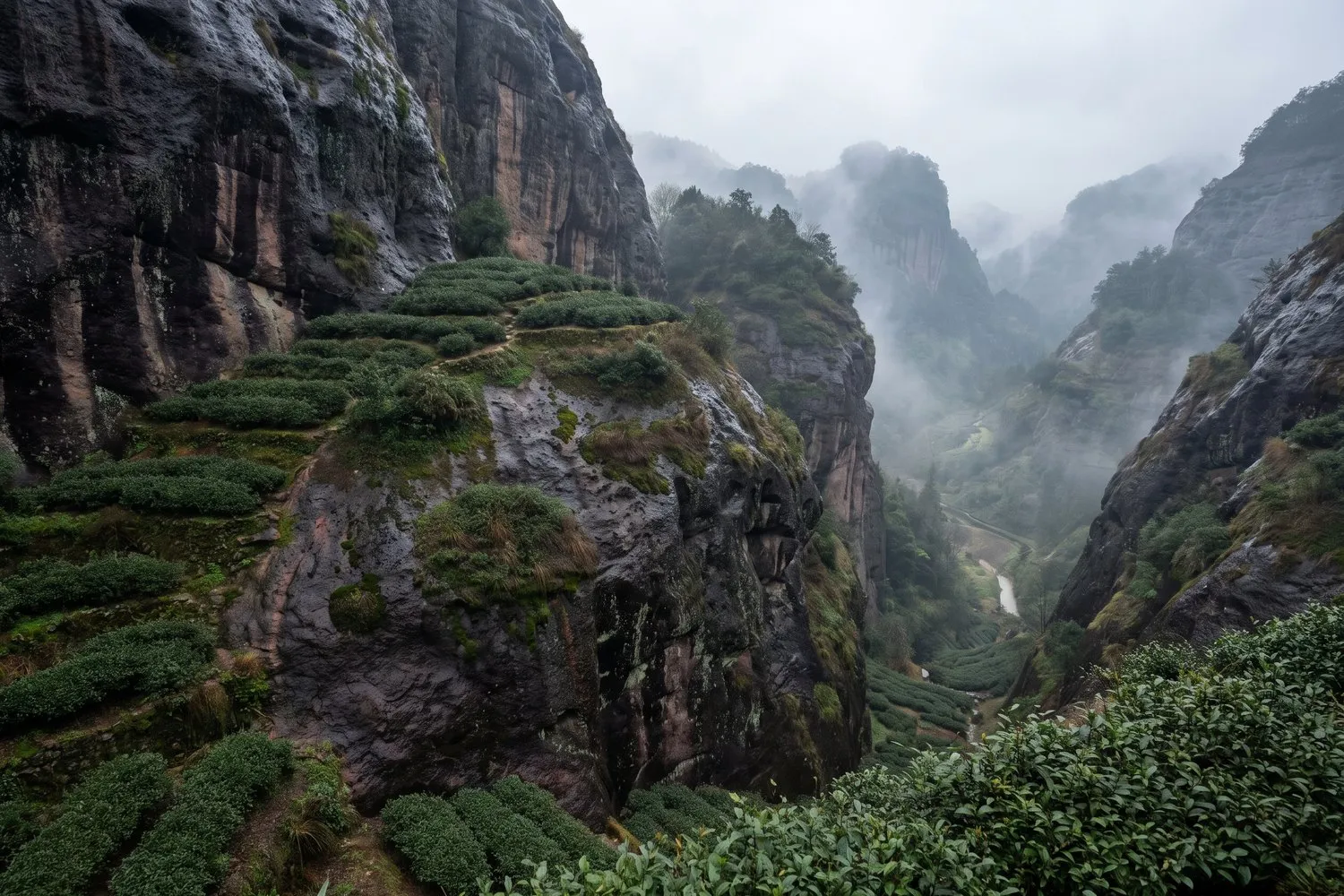
Wuyi Mountains, Fujian, China
The roast is a conversation. You stop when the tea agrees.
Huang Jian grows his tea in the rocky ground of the Wuyi Mountains, where the bushes sit between cliffs and thin soil. The leaf is oxidised further than a green oolong and then roasted over charcoal.
The result is our Da Hong Pao: deep, mineral and warm, with notes of cocoa and stone fruit. We buy it once a year, after the roast has settled.
Altitude
About 600 m
Growers
Huang Jian
Harvest season
Spring, roasted over charcoal
What we buy
Da Hong Pao Rock Oolong
Mirik, Darjeeling, India
Thirty-eight of us, and every basket is weighed by hand.
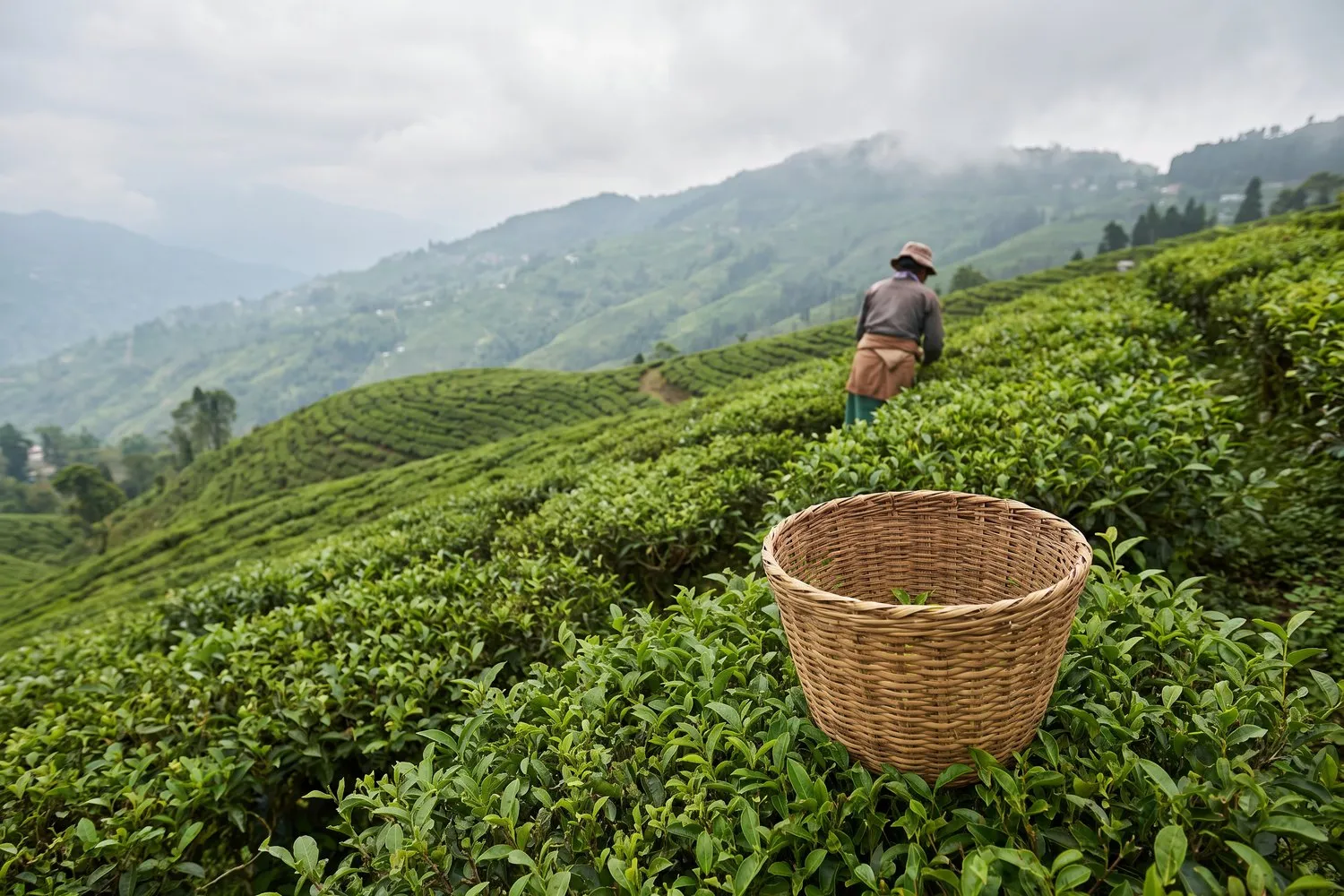
Thirty-eight smallholders farm the slopes around Mirik, pooling their leaf at a co-operative that weighs and sorts every basket by hand. The first flush is picked in March, when the new shoots carry the muscat grape and green apple notes Darjeeling is known for.
It is a bright, delicate tea, best drunk without milk while the weather is still cool. We buy the first flush each spring and sell it as our Darjeeling First Flush.
Altitude
About 1,800 m
Growers
38 smallholders
Harvest season
First flush, March
What we buy
Darjeeling First Flush
Fuding, Fujian, China
Sun and still air make white tea. We only turn the leaves.
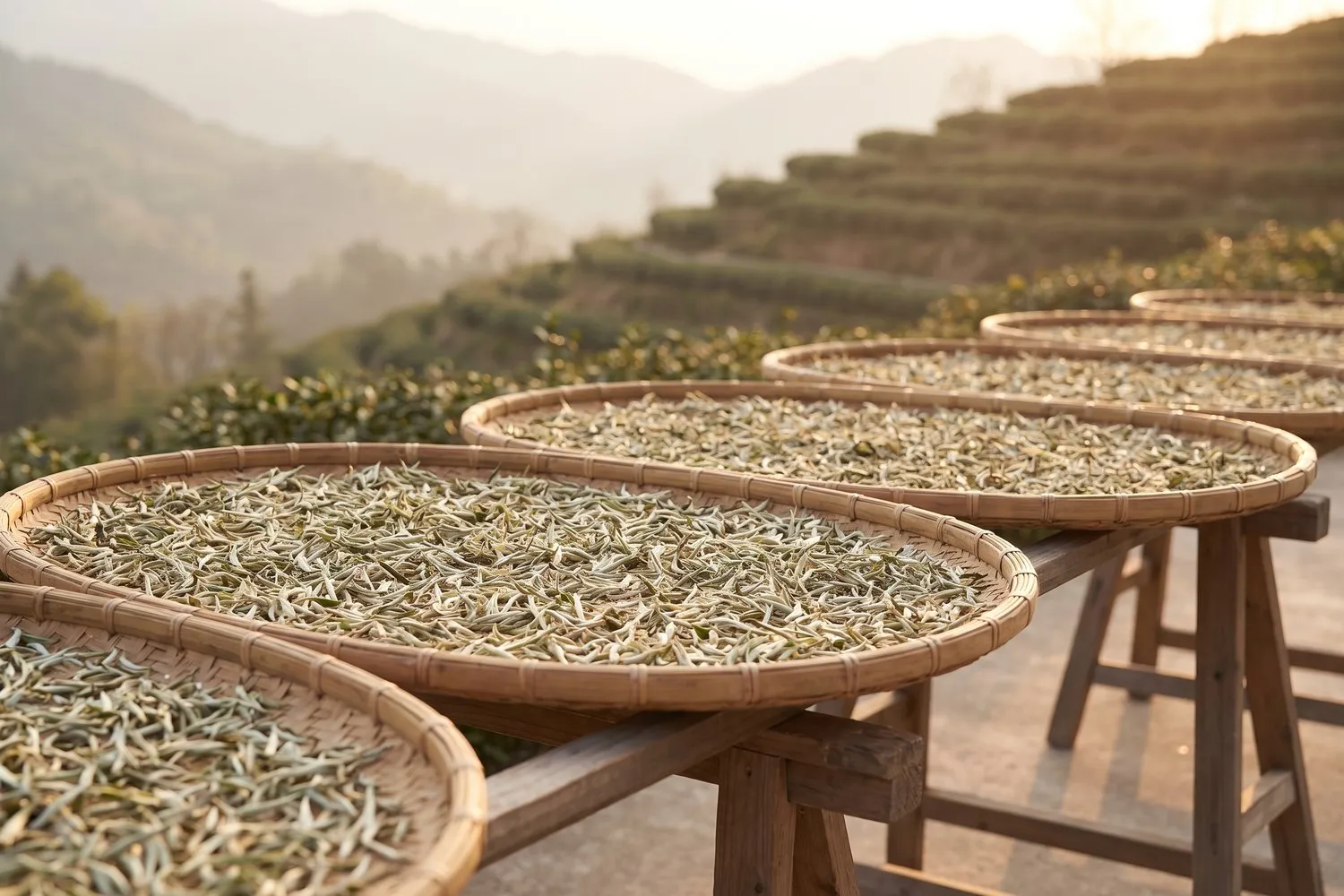
Zhou Lan makes white tea the slow way, withering the buds and young leaves in the sun and turning them by hand. Nothing is rolled or roasted, so the cup stays pale, soft and honeyed.
Her silver needle is the purest expression of it; the white peony, picked a little later, is rounder and more forgiving. We buy both from the spring picking.
Altitude
About 300 m
Growers
Zhou Lan
Harvest season
Spring, sun withered
What we buy
Silver Needle, White Peony